
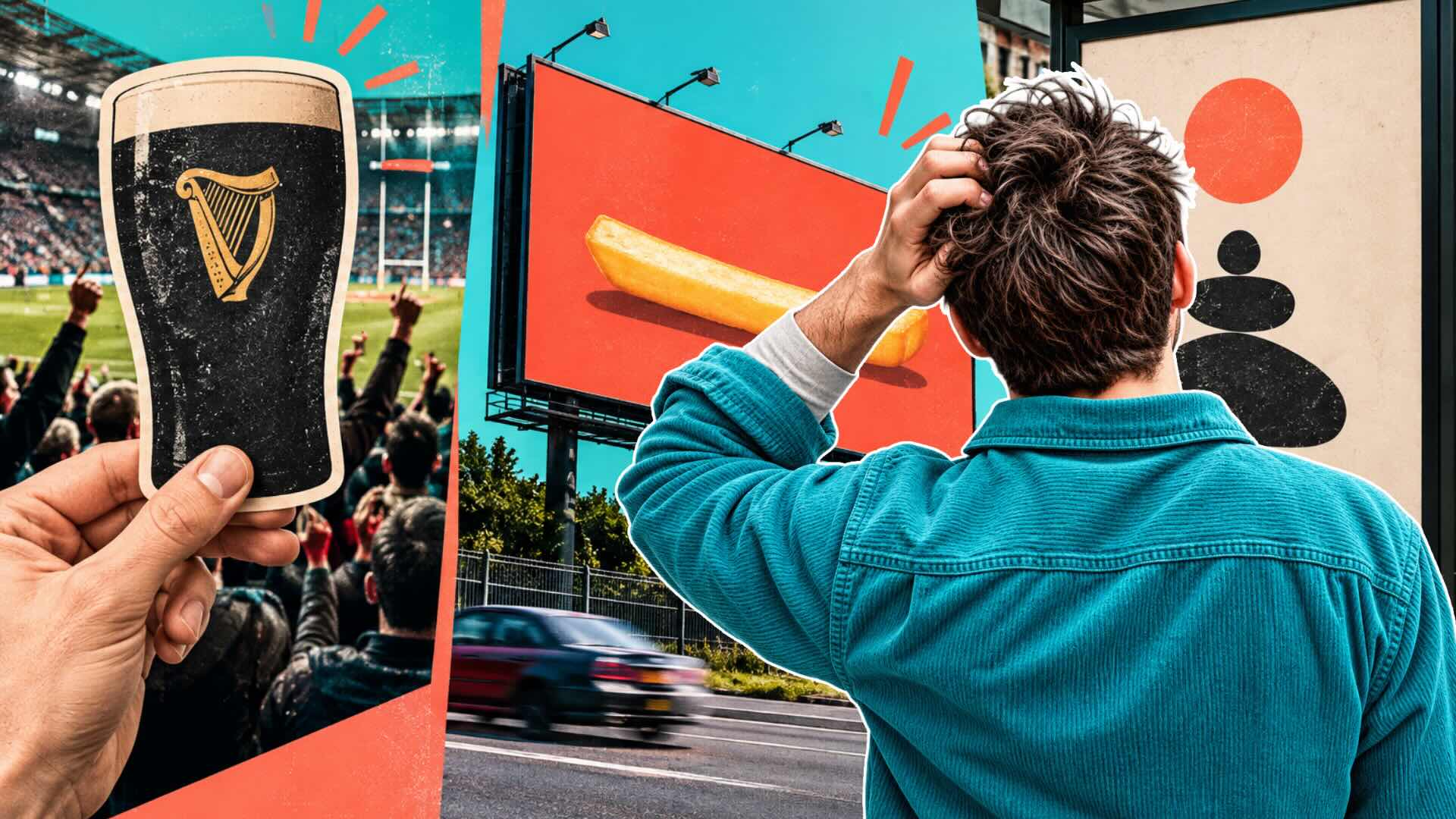

Three campaigns that trusted their audience have shaped the 2026 conversation. Each did it by taking something away.
Guinness removed its logo. McDonald’s New Zealand removed its logo, its product shots and its name. Dove removed its own voice.
If those three have landed in your team channel with the message ‘can we do something like this’, there is a question worth answering first. What did each brand spend to buy the right to subtract? Can you afford the same bill?
What the Campaigns That Trusted Their Audience Removed
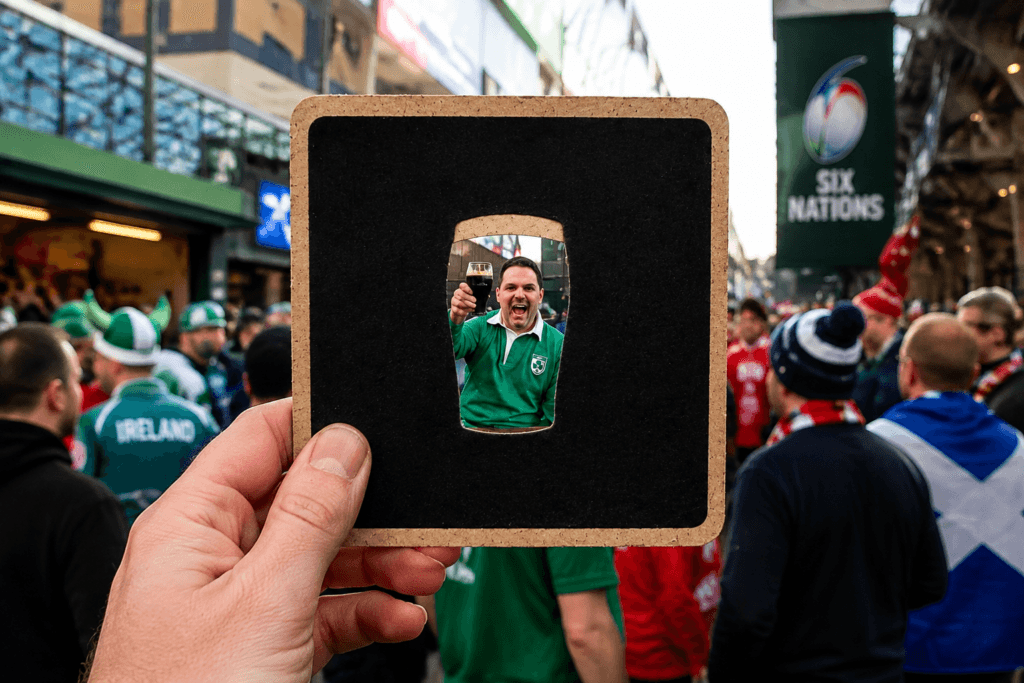
Guinness ran POV, or Pint of View, through Born Social during the Six Nations. A pint-shaped aperture cut into a beer mat lets drinkers frame a real scene and photograph it. Uptake in Ireland was strong enough that Guinness supplied an additional 1.5 million mats.
McDonald’s New Zealand ran You Know Where through McCann. Billboards carried single menu words such as cheeseburger, fries and sundae, with no arches, no product photography and no brand name. The signature red and yellow stayed, which matters more than most write-ups admit.
Dove ran r/eal reviews through DAVID London with AKQA Paris and WPP Media. The brand asked Reddit users to review its Intensive Repair mask, then published the first 50 verbatim, including ‘Smells hella bad’. The work passed a billion impressions.
The Awards Jury Reading Is Right and Incomplete
Every trade write-up has reached the same three words: confidence, restraint and trust. All three readings are accurate.
The trouble starts with what readers infer next.
Why Campaigns That Trusted Their Audience Are Not a Technique
Three brands doing the same thing in one year makes a pattern. Patterns get mistaken for methods.
You can remove the logo only when the audience already supply it. McCann’s own chief creative officer made the point plainly, observing that very few New Zealand brands have earned the right to be recognised without showing their face.
Subtraction Is an Asset You Spend
Remove the silhouette from a brand the audience have never met and the beer mat reads as a printing error. An SME running a menu-words poster buys an advert for a company nobody can name. The gap reads as an oversight rather than a decision.
Note also that McDonald’s kept its colours. Even the campaign that supposedly removed everything held one brand asset in reserve.

The Dove Exception Needs the Same Test
The comfortable conclusion is that Dove is the one smaller brands can copy. That is half right. The missing half matters more.
What Dove gave away was authorship, which costs nothing to hand over. Dove did not begin from nothing, though. Emily Barfoot, who leads Dove’s beauty and wellbeing business in the US, has said the idea grew from a Reddit conversation about the mask that was already running at relaunch.
The brand also brought three agencies, a formal partnership with Reddit, New York out-of-home and a two-day pop-up in Flatiron Plaza. Dove spent an asset too. That asset was an existing conversation rather than fame, which makes it cheaper without making it free.
What the Mechanic Costs a Smaller Brand
The part that transfers is the mechanic rather than the campaign. Publishing unedited customer reviews works at any size, provided two conditions hold.
The first is customers who are already talking. A brand nobody has reviewed has nothing to publish. Earning that conversation is the same visibility work as everything else.
The second is nerve. Dove ran the unflattering reviews alongside the good ones. That roughness is what makes the format credible in the first place.
Our reading of the power of UGC in building brand trust puts customer content at 2.5 times more authentic than brand-created material. Select only your five-star reviews and you have built a testimonial wall instead.
If you are weighing where budget should sit, UGC vs ads is worth reading before you brief anything new. For brands working with creators as well as customers, choosing the right influencers in PR decides whether the output reads as real or as a different kind of performance.
Which of the Three Has Your Brand Earned?
Run the three entry requirements against your own brand honestly.
Guinness needs an audience who recognise your silhouette unprompted. McDonald’s needs recognition deep enough that a common noun carries the brand. Dove needs customers already discussing you, plus the nerve to publish what they actually said.
Most brands qualify for none of the three today. That answer is more useful than the aspiration, because only the Dove requirement has an entry route you can start building this quarter.
Fame is not on sale. Recognition comes from showing up clearly and consistently in enough places that the audience begin supplying context on your behalf, which is what modern PR strategies are for.
We did that work for JM Wholesale, a brand locked out of paid advertising altogether. The JM Wholesale case study shows what it took.
The campaigns that trusted their audience in 2026 each spent something real to earn the right. Do the earning before you cut anything from the brief.
Book a campaign review with Nifty and we will tell you honestly which of the three your brand has earned.
Frequently Asked Questions
What made these three campaigns that trusted their audience work in 2026?
Each brand removed something audiences expect to see, then relied on the audience to supply it. Guinness and McDonald’s could do that because decades of recognition sit behind them. Dove could do it because an unprompted conversation about the product was already running on Reddit.
Can smaller brands copy the debranding used by Guinness and McDonald’s?
Not directly. Both depend on recognition the audience already hold, built across decades of consistent presence. The realistic sequence is to earn recognition first through consistent PR, content and social presence, then consider subtracting later.
What is UGC and why did it work for Dove?
UGC, or user-generated content, means material made by customers rather than by the brand. Dove published 50 unedited Reddit reviews, positive and negative, because the credibility comes from the source being independent. Filtering for five-star reviews removes the independence that makes the format work at all.
What should a brand do before attempting stripped-back advertising?
Earn the recognition first. A brand needs a consistent and visible presence across enough channels that audiences have already formed a clear picture of who it is. PR, content marketing and social all build that picture.