
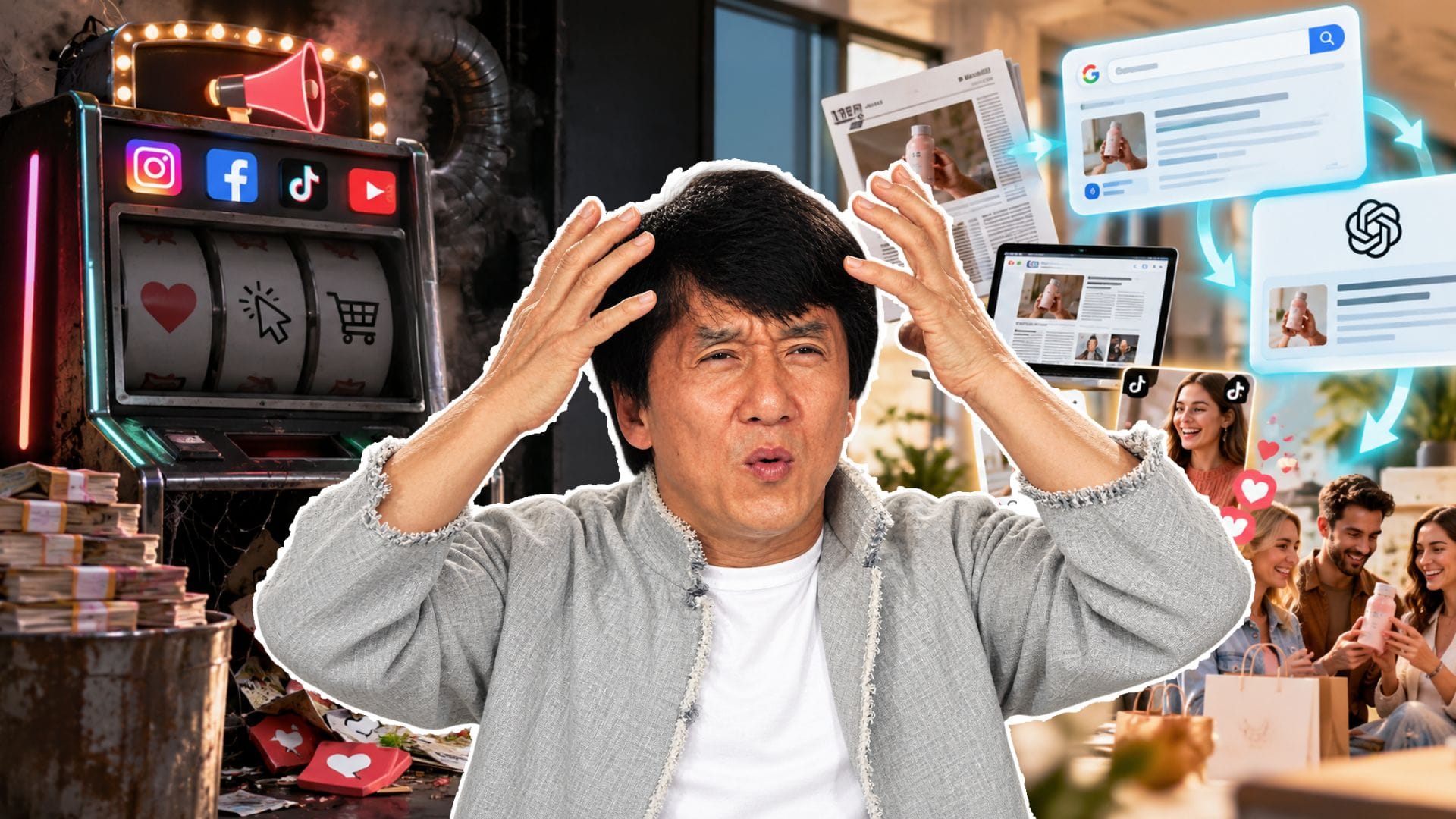

PR still matters because earned coverage does three jobs paid media cannot: it builds trust, strengthens search visibility and shapes what AI tools say about your brand. Paid media rents attention for as long as you keep paying. Earned media builds a reputation that keeps working after the campaign ends.
If you lead marketing for an FMCG, D2C or consumer brand and you are weighing a PR retainer against another month of paid social, this guide sets out what PR delivers and how to judge whether it is working.
What PR Is and How It Differs From Advertising
Public relations shapes how audiences see an organisation through media coverage, storytelling, third-party credibility and strategic communication. You do not buy the placement. You earn it when a journalist or creator chooses to put their name next to yours.
A paid social ad carries an unspoken ‘we paid to say this’. A feature in a respected title carries the publication’s credibility instead. Our piece on storytelling in PR explores how the story a brand tells through earned channels decides whether readers believe it.
Why PR and Marketing Work Best as One System
Marketing drives demand and conversion. PR builds the reputation that makes conversion easier. A shopper who read a credible profile of your brand in a food magazine reaches your product page far warmer than one who saw a retargeted ad.
We run PR and marketing as one brief for that reason. Awareness without credibility stalls, while credibility without reach stays unseen. Our guide to what PR is and why it matters in marketing covers how the two fit together.
Why PR Still Matters for Search
A single well-placed feature can earn backlinks, fuel social sharing and give your brand third-party validation that owned content cannot create. Coverage in credible publications strengthens domain authority. A spokesperson quoted in trade media builds topical trust.
Both effects compound over time and shape how easily customers find you. Our guide to off-page SEO in digital marketing covers how earned coverage feeds search performance.
Why PR Now Shapes AI Search
AI search tools answer questions by drawing on content from across the web. Ahrefs analysed 75,000 brands and found that branded web mentions correlated with visibility in Google’s AI Overviews at 0.664, against 0.218 for backlinks. Mentions in credible publications are exactly what PR produces.
That makes media presence a core part of generative engine optimisation, the practice of making sure your brand appears in AI-generated answers. PR has always built authority. Now that authority decides whether an AI assistant names you when a customer asks for a recommendation.
Does PR Still Work for FMCG and Consumer Brands?
For FMCG and consumer brands, a review in a food title, a broadcast feature timed to a seasonal moment or a sustainability story can change retail buyer conversations and shopper intent. In our view, performance marketing alone rarely moves a buyer meeting.
For Wye Valley Brewery, our integrated PR campaign secured more than 15 national and trade articles, more than four local and broadcast features, six influencer collaborations and three high-profile interviews for the managing director. For EMILY Snacks, we ran PR and social around the brand’s launch into the Tesco Meal Deal across 600 stores. For Doisy & Dam’s Easter launch, a press and buyer event alongside influencer seeding helped the Really Good Egg sell out in stores and on Amazon.
PR, Influencers and User-Generated Content
Influencer partnerships sit where PR and marketing meet. The wrong creator can damage credibility overnight, while the right one extends earned reach into engaged niche audiences. Our guide to choosing the right influencers in PR sets out the framework we use.
User-generated content carries similar weight. In Nielsen’s 2021 Trust in Advertising study of more than 40,000 consumers, 88% said they trust recommendations from people they know more than any other channel. Our piece on the power of UGC in building brand trust shows how brands put that peer effect to work.
What Modern PR Looks Like
The generic press release sent to a mass media list belongs to another era. Modern PR strategies rely on data-informed targeting, real news value, fast response to cultural moments and a clear sense of what individual journalists want to cover.
Crisis communications has changed too. A product complaint or an ill-judged post can reach national media within hours. Pre-agreed response frameworks and clear messaging now count as operational essentials.
Is PR Too Hard to Measure?
The most common objection to PR is that nobody can prove it works. Share of voice, backlinks gained, referral traffic from coverage, sentiment and branded search volume are all trackable. The harder discipline is patience.
PR compounds. In our experience, a brand that invests consistently for twelve months builds a media presence that a three-month burst cannot match. Judge PR on a twelve-month trend rather than a single month’s clippings.
Frequently Asked Questions
What is the difference between PR and advertising?
Advertising is paid media where the brand controls the message and the placement. PR is earned media where a journalist, editor or creator chooses to cover the brand. That third-party choice gives PR credibility that paid placements cannot buy.
Why does PR still matter in 2026?
In our view, AI search, weaker organic reach on social platforms and scepticism towards paid formats all raise the value of earned media. Ahrefs data shows brand mentions track AI search visibility far more closely than backlinks. Mentions are what PR produces.
How does PR support SEO?
Coverage earns links from authoritative domains and builds the topical authority that search engines and AI tools use to judge which brands deserve to appear in results.
How do I know if PR is working?
Track share of voice, the quality of publications covering you, referral traffic from coverage, backlink growth and branded search volume over time. Note qualitative signals too, such as retailers or investors mentioning your coverage.
Put PR to Work for Your Brand
PR still matters because trust, search visibility and AI recommendations all rest on what credible third parties say about you. Book a PR strategy session with Nifty, bring your next launch or news story and we will map the angles, target titles and measures that will show it working.